Article by Willow G11
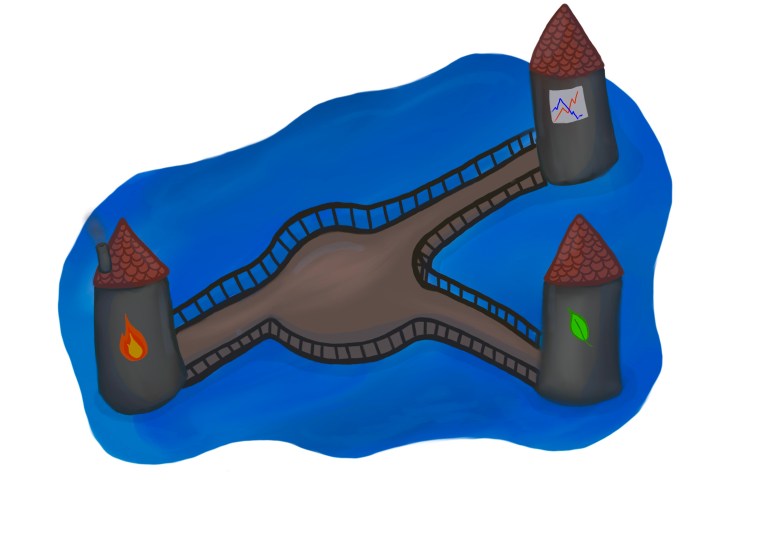
Illustration by Eva G11
As countries look for stronger economic and geopolitical growth and alliances, key scientific developments in environmental policies, global economic alliances, and energy corporations shape our future. Three major initiatives happening today illustrate this, the Cyprus-Egypt natural gas collaboration, COP29’s global carbon trading system, and the expansion of BRICS. These initiatives are strengthening international bridges, aiming for sustainable and fair growth.
Cyprus-Egypt Natural Gas Initiative: A Bridge Made of Energy
The Mediterranean has always been an energy hub, and the Cyprus-Egypt natural gas initiative shows the growing progress within the region. The discovery of significant gas reserves in Cyprus in the Exclusive Economic Zone. Cairo and Nicosia created a strong alliance in developing infrastructure that allows the transportation and liquefaction of Cyprus’s gas in Egyptian facilities. The alliance means that both countries can be critical players in the global energy market, and add to European energy security. More than just economic benefits, the initiative provides both countries with regional stability. The EU showed support for their collaboration as they can begin to source energy away from Russia. Furthermore, the development of this energy infrastructure in the Eastern Mediterranean has the ability to strengthen geopolitical ties with other regional countries.
COP29 and the Journey of Global Carbon Credit Trading
The Global Carbon Credit program aims to build bridges between us and the environment, giving big corporations a market-driven approach to climate protection. Carbon credit is where countries who emit greenhouse gases can buy credits from countries that reduce emissions. Each credit represents the reduction or removal of one metric ton of carbon dioxide. Developing countries see carbon trading as a way to generate revenue while also transitioning to greener industries. Advanced economies can offset their emissions by investing in sustainable projects in less-developed regions. Carbon credit promotes cooperation in the Global North and South and also encourages collaborative climate action against climate change. However, the success of this initiative bridges economic and environmental priorities.
BRICS expansion – Building Bridges to Reshape Global Economic Order
BRICS (Brazil, Russia, India, China, and South Africa) aims for economic order in many ways. AS more countries want to join the BRIC initiative, including Argentina, Saudi Arabia, Iran, and Egypt, as well as the UAE. BRICS is becoming a powerful counter to Western-led economic institutions like the G7 and the International Monetary Fund. As BRICS begins to grow, trade opportunities increase and investment flows reduce the need for alternative financial systems, reducing dependence on Western financial institutions. Additionally, BRICS’s different trading mechanisms, like de-dollarisation could further change the balance of global economic power. The threat of BRICS growing increases the likelihood of a more inclusive global governance. Developing nations see BRICS as a platform for fairer economic policies and a way to challenge financial inequalities in the current system. By nurturing economic and political cooperation, BRICS is creating new bridges that extend through traditional geopolitical divisions.
A Future of Collaboration
The Cyprus-Egypt gas initiative, COP29’s carbon market development, and the BRICS quick expansion all illustrate a common theme, the increasing interdependence of nations in addressing issues of energy security, climate change, and economic growth. They underscore the importance of alliances and interdependence in the modern world. As a community, we grow and evolve and these bridges will become more and more crucial in adopting stability, growth, and sustainability.
 Posted by
  ISB MUN